Why Your Introduction Matters
Most students lose marks in the introduction, not the body. Professors have read thousands of essays — they can tell within the first paragraph whether the writer knows what they are talking about.
The 3-Part Introduction Formula
Every effective academic essay introduction has three components:
- Hook — Grab the reader's attention with a startling fact, a provocative question, or a brief anecdote.
- Context — Briefly orient your reader to the topic. What is the background? Why does this subject matter?
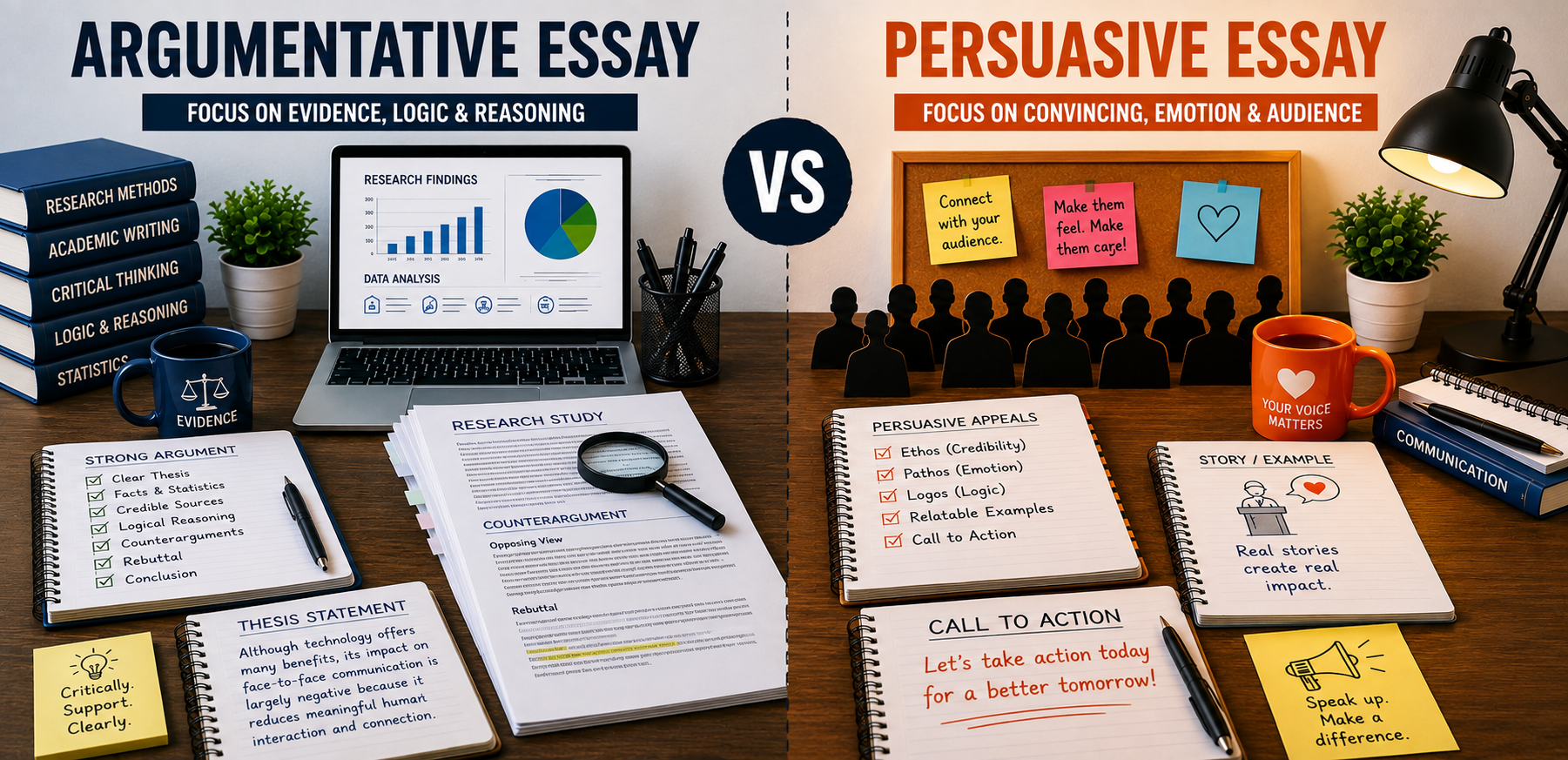
- Thesis Statement — State your central argument clearly and specifically. This is the most critical sentence in your entire essay.
Common Introduction Mistakes to Avoid
Starting with "In this essay I will..." is perhaps the most common mistake. It is vague, it is obvious, and it wastes valuable space. Instead, launch straight into your hook.
Avoid beginning with a dictionary definition unless it is genuinely relevant and debated. "According to Merriam-Webster, power is..." rarely impresses anyone.
Writing a Strong Thesis Statement
Your thesis must be arguable — someone should be able to reasonably disagree with it. "Climate change is real" is not a thesis; it is a fact. "Renewable energy subsidies are more economically efficient than carbon taxes" is a thesis.
Keep it to one or two sentences. Place it at the very end of your introduction paragraph so it acts as a launch ramp into your first body paragraph.
Example: Before and After
Weak: "In this essay I will discuss the causes and effects of the French Revolution."
Strong: "A kingdom on the brink of bankruptcy, streets flooded with starving peasants, and an aristocracy too comfortable to notice — the French Revolution was not born from ideology alone but from decades of economic mismanagement that made radical change inevitable."
Final Tips
Write your introduction last. It sounds counter-intuitive, but once you know how your essay concludes, you can craft an introduction that perfectly frames your argument. Many strong writers outline → write body → write introduction → write conclusion.